
Erasmus+ Mobility in Croatia: A Week of Learning, Culture and Sustainability
From 21 to 25 September 2026, our students took part in an Erasmus+ mobility in Novi Marof, Croatia, together with students and teachers from Croatia and partner countries. The week combined cultural exchange, sustainability, well-being, digital learning, STEAM activities and sports.
The mobility began with students meeting their Croatian host families and experiencing local culture and everyday life. This cultural integration continued throughout the week and gave students a valuable opportunity to learn about Croatia beyond the classroom.
The first day at the Croatian school began with an official welcome from the school headteacher and Erasmus+ coordinator. Students enjoyed a traditional Croatian dance performance in folk costumes and learned more about the Croatian education system.
The partner students also presented their schools, helping everyone get to know one another. Digital ice-breaking activities using Kahoot, Mentimeter and Padlet, followed by a QR-code scavenger hunt and sports activities, quickly turned new acquaintances into a friendly international group.
One of the highlights of the week was an educational visit to Plitvice Lakes National Park. Students explored one of Croatia's most remarkable natural heritage sites and completed tasks focused on sustainability and environmental responsibility.
The programme continued with educational excursions to Zagreb, Rijeka and Opatija, where students explored Croatian cultural and historical heritage. In Zagreb, they took part in a digital GooseChase scavenger hunt, while in Rijeka and Opatija they combined cultural exploration with environmental learning and collaborative activities.
Students also created a joint digital poster about sustainability and culture, connecting their experiences from the different countries.
The final project day brought together reflection, technology and creativity. Students explored Croatia, Finland and Lithuania through VR, using Meta Quest headsets and 360° content related to nature, culture, language and music. They also took part in a VR-based sustainability experience.
In the group design challenge “Green School of the Future”, students worked together to imagine more sustainable schools. They also explored robotics through the VEX IQ activity “Build and Program Your First VEX IQ Robot”.
The day ended with reflection and evaluation, sports activities, and the presentation of certificates recognising students’ participation and engagement.
The Erasmus+ week in Novi Marof was much more than a series of educational activities. It was an opportunity for students to learn together, share ideas, discover another culture, practise teamwork and develop a stronger understanding of sustainability and European cooperation.
We return home with new knowledge, new friendships and many memorable experiences — grateful to our Croatian hosts and looking forward to our next Erasmus+ meeting. 🇱🇹🤝🇭🇷


FRIENDSHIP, SUSTAINABILITY AND NEW EXPERIENCES: THE “BEYOND PLASTIC” JOURNEY IN GERMANY
On September 22, students from Grades 9 and 10 of President Valdas Adamkus Gymnasium travelled to Uetze, Germany, to take part in an international Erasmus+ mobility programme. There, they were welcomed by students from Unter den Eichen Gymnasium, while participants from the Netherlands also joined the project. Bringing together young people from three different countries, the “Beyond Plastic” project focused on sustainability, environmental awareness, and responsible approaches to the future. Throughout the week, students not only deepened their understanding of environmental and sustainability issues but also actively engaged in discussions, collaborated in international teams, completed practical activities, and explored creative solutions to real-world environmental challenges.
On September 23, the students were warmly welcomed at the host school by teachers who had prepared a variety of icebreaker activities. These helped participants overcome their initial shyness, get to know one another, and build their first connections with peers from Germany and the Netherlands. One challenge, for example, required students to line up according to their birth month without speaking. Later, they took part in group discussions, sharing their thoughts on a range of topics. The programme also included drawing portraits of classmates, playing Bingo, and participating in other communication-based activities. The aim was not only to have fun but also to encourage students to interact, discover common interests, and develop new friendships. In the afternoon, the German students introduced the 17 Sustainable Development Goals, explaining the purpose of each goal and highlighting their importance for society and the future of our planet.
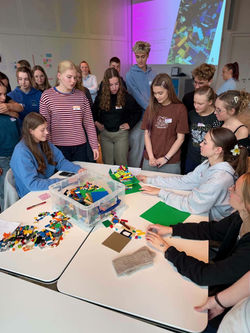
On September 24, the group travelled to Wolfsburg, where they visited Autostadt and took part in an educational workshop called “Thinking about Tomorrow.” During the workshop, students explored global environmental challenges, discussed possible solutions, and connected these issues to the Sustainable Development Goals. They analysed situations related to three key areas: the economy, the environment, and society, while examining how decisions in one area can influence the others. One activity challenged students to imagine the world in 2060 and present their vision of the future. They were encouraged to think creatively and boldly, focusing on ideas that might one day become reality. Another practical task involved designing and building sustainable houses using LEGO bricks. Students considered how future homes could be made more environmentally friendly through smart use of energy, water, and other resources. After the workshops, the participants of the project had free time to explore Wolfsburg, discover the city, and spend time with their new friends.
On September 25, participants returned to the host school for another day of hands-on learning. Working in groups, they rotated through different workshops where they created solid shampoo bars, produced natural plastic, and made wrapping paper from natural materials. For many students, this was a completely new experience, demonstrating that sustainable solutions can be both environmentally beneficial and practical in everyday life. The products they created travelled home with them to Lithuania, where they will have the opportunity to use and evaluate them further. These workshops allowed students to experience the entire creative process, from the initial idea to the finished product.
September 26 and 27 were spent with host families, giving students a valuable opportunity to experience German culture and daily life first-hand. The weekend activities varied widely: some students attended sporting events, others visited Hanover and Hamburg, while some enjoyed trampoline parks or amusement parks. Everyone spent the weekend differently, creating unique memories and strengthening friendships along the way.
On September 28, the students visited Hanover Zoo, where they participated in educational activities focused on wildlife, biodiversity, and the challenges facing the natural world. They learned more about different animal species, their habitats, and the importance of protecting biodiversity and preserving natural ecosystems. Following the zoo visit, the students returned to school for a special farewell evening. Participants received certificates recognizing their involvement in the project and the activities they had completed throughout the week. The evening was filled with laughter, dancing, karaoke, and shared memories. It was a wonderful opportunity for everyone to celebrate the experiences they had gained and the friendships they had formed.
This Erasmus+ mobility experience was far more than a chance to visit another country. It provided students with a meaningful international learning experience. By working alongside peers from Germany and the Netherlands, they improved their English communication skills, learned to collaborate in multicultural teams, gained confidence in expressing their ideas, and developed a broader perspective on environmental issues. It was a week filled with learning, friendship, inspiration, and unforgettable experiences that will undoubtedly stay with the students for many years to come.
 |  |  |
|---|---|---|
 |  |  |
 |  |  |
 |
Lessons Beyond the Classroom in Slovenia
How does physical activity affect our well-being? What can an organic farm teach us about sustainability? And how much can we discover by experiencing another culture?
Students and teachers from Prezidento Valdo Adamkaus Gymnasium explored these questions during their Erasmus+ mobility in Planina pri Sevnici, Slovenia, from 12 to 16 October 2026, as part of the “Body Train for Clever Brain” project. It was a week in which learning extended far beyond the classroom. It continued on the sports field, in nature, in historic towns and through encounters with the local community. Movement That Brings People Together At the Slovenian school, students took part in sports sessions, tried different physical activities and played footgolf, a combination of football and golf. There was no shortage of excitement or new challenges. Most importantly, the students experienced how movement can be enjoyable, encourage teamwork and strengthen relationships. These activities reflected the central idea of the project: physical activity is essential not only for well-being but also for successful learning. Meanwhile, teachers observed lessons, learned about the Slovenian education system and exchanged professional experiences with their colleagues. When a School Becomes a Community Affair One of the highlights was the “Auntie Autumn” event, which brought together students, parents, grandparents and local residents. It offered a valuable opportunity to see how traditions connect generations and strengthen community ties. The students also visited an organic sheep farm. They learned about everyday farm life, animal care and a responsible relationship with nature. Experiences like these bring environmental ideas to life and help young people better understand what sustainable living means in practice. From a Deer Farm to the Underground World In the town of Olimje, the group visited a deer farm, a chocolate shop and a historic monastery with its old pharmacy. Nature, local craftsmanship and historical heritage came together at these stops, each revealing a different side of Slovenia. Postojna Cave made an equally strong impression. Its spectacular underground chambers and extraordinary rock formations offered a close-up view of the beauty created by nature. The journey also took the group to Ljubljana, where students and teachers explored Slovenia’s capital on a guided tour. These encounters with Slovenian history and culture added another dimension to the learning experience. What Matters Most Is What We Bring Home On the final day of the mobility, students attended lessons and took part in computer workshops, where they were introduced to 3D printing. The week concluded with a review of the activities and a certificate-awarding ceremony. Yet the most important outcomes cannot be captured in a certificate. The students challenged themselves in a new environment, learned to communicate and collaborate, and put their English skills into practice. They gained a deeper understanding of the importance of physical activity and a healthy lifestyle, discovered another culture and experienced how much can be learned by observing, asking questions and trying things for themselves. For teachers, the mobility was also an opportunity to gather new ideas, compare educational practices and establish new professional connections. The Erasmus+ project “Body Train for Clever Brain” once again demonstrated that real learning begins when knowledge meets experience. Exploring the world helps us become not only more curious, but also more active, responsible and open-minded individuals.


